

This course aims to provide understanding to students about research as applied in a business context. Students will be equipped with the knowledge and skills required in a basic research process. Students will also be introduced to the core concepts, methods and research issues which lay the foundations for conducting a research. Data analysis, interpretation and presenting analysis output will also be discussed.
Upon completion of the course, students are expected to
- Describe how research is being conducted.
- Understand the issues, process and methodologies used in conducting a research.
- Acquire knowledge and skills for the purpose of data coding, editing, analysing, data interpretation and report writing.
OBE for BPMN3143 Research Methodology - Group G & H
Semester: A242
Course : BPMNK3143 Research Methodology
Group H=52 students / Group G=52 students
1. Please give reflection on your overall strategy in teaching/supervision as well as evaluation.
My overall strategy in teaching Research Methodology emphasised clarity, structure, and active learning. I adopted a scaffolding approach—beginning with foundational research concepts, progressing to methodological applications, and finally guiding students toward developing complete proposal components. Each lecture integrated real research examples, visual frameworks, and simplified explanations to help students understand abstract concepts such as variables, research designs, sampling, and data analysis. This approach ensured that students could connect theory to practical academic work.
Supervision was conducted through continuous consultation, both in class and through online platforms. I encouraged students to refine their research topics, develop coherent problem statements, and apply correct methodological choices. Individual feedback was given frequently to help students improve their proposals and avoid common conceptual errors. This personalised supervision strengthened their confidence and research thinking.
For evaluation, I used a combination of quizzes, assignments, proposal presentations, and a final assessment. The evaluation strategy was designed to assess not only content knowledge but also students’ ability to apply research principles. Rubrics were used to ensure fairness, consistency, and transparency. I also provided formative feedback so students could improve before final submission.
Overall, my teaching strategies aimed to build research competence gradually, engage students actively, and ensure they develop the analytical mindset necessary for academic research. Continuous feedback loops between teaching, supervision, and assessment helped reinforce learning and improve student performance.
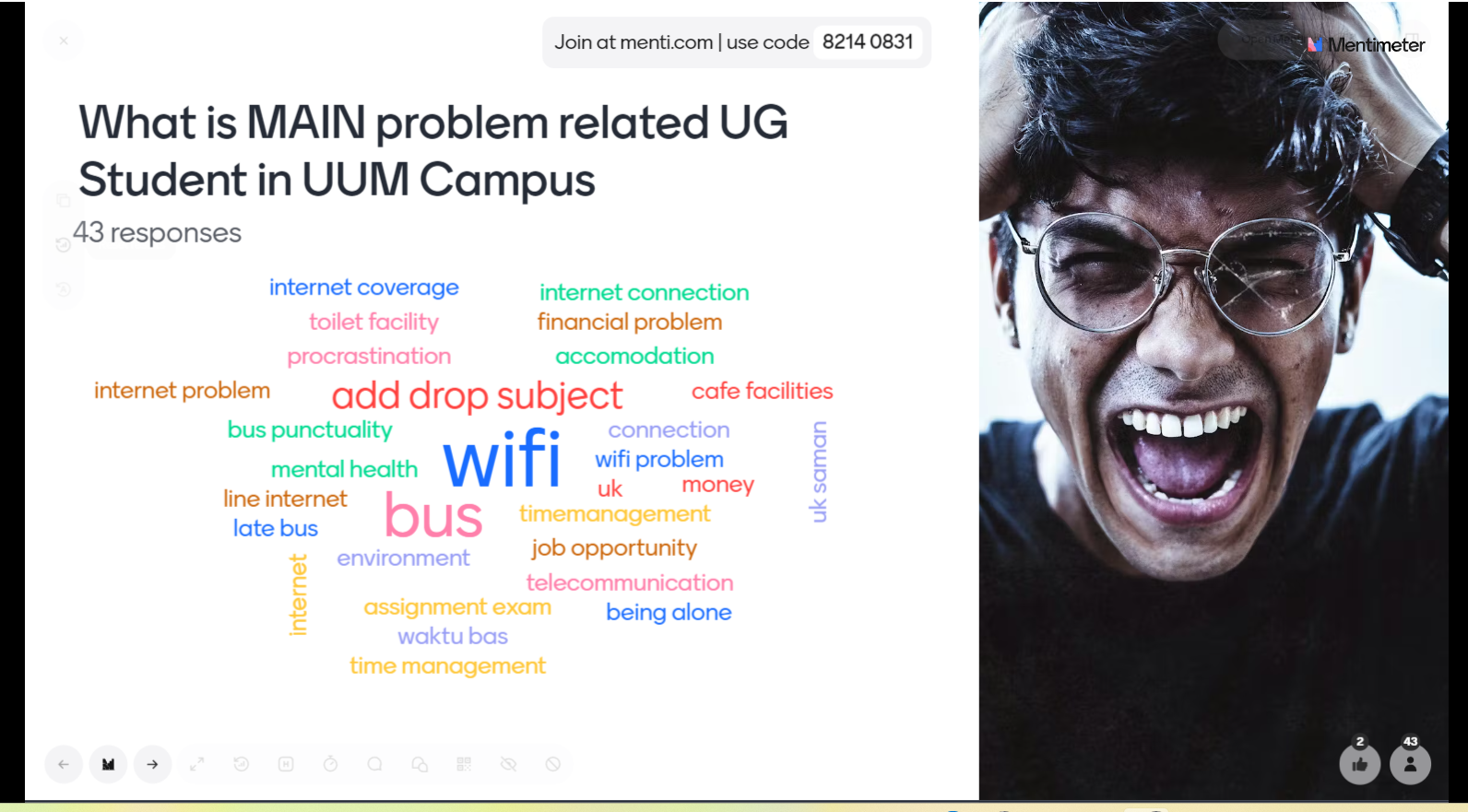
2. Please reflect on your creativity and innovation as well as its impact on teaching and learning.
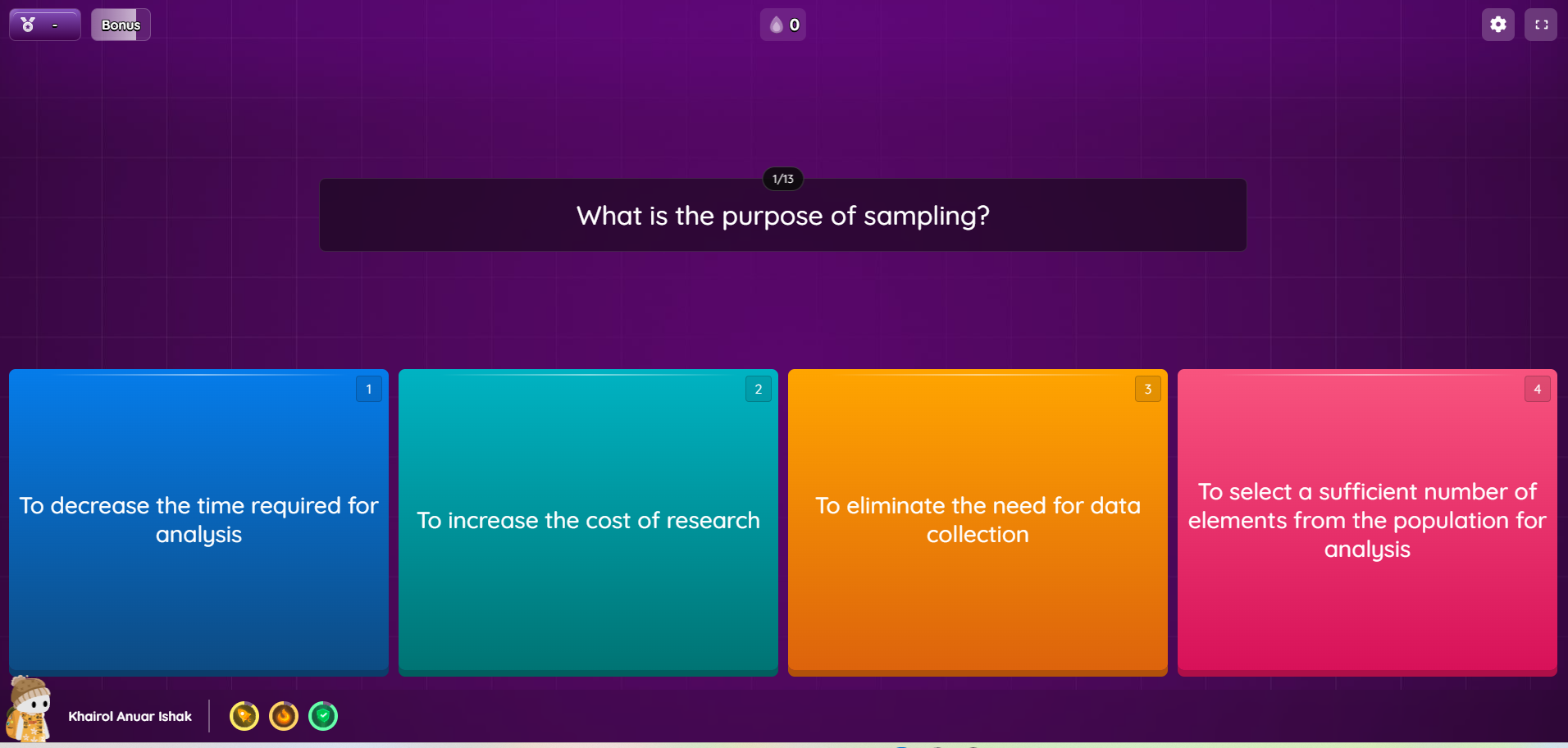
Throughout the course, I embedded creativity and innovation to enhance understanding of research concepts that are often perceived as abstract or challenging. I incorporated visual frameworks, simplified templates, and step-by-step research tools to help students translate theory into practical application. Innovative teaching aids such as interactive quizzes, real-time Google Form demonstrations, and sample datasets allowed students to experience the research process rather than simply learn about it.
I also introduced problem-based learning activities where students analysed real research scenarios and improved flawed research designs. This approach encouraged higher-order thinking, collaboration, and deeper engagement with the material. Students were able to visualise how variables link together, how hypotheses are formed, and how methodology must align with research objectives.
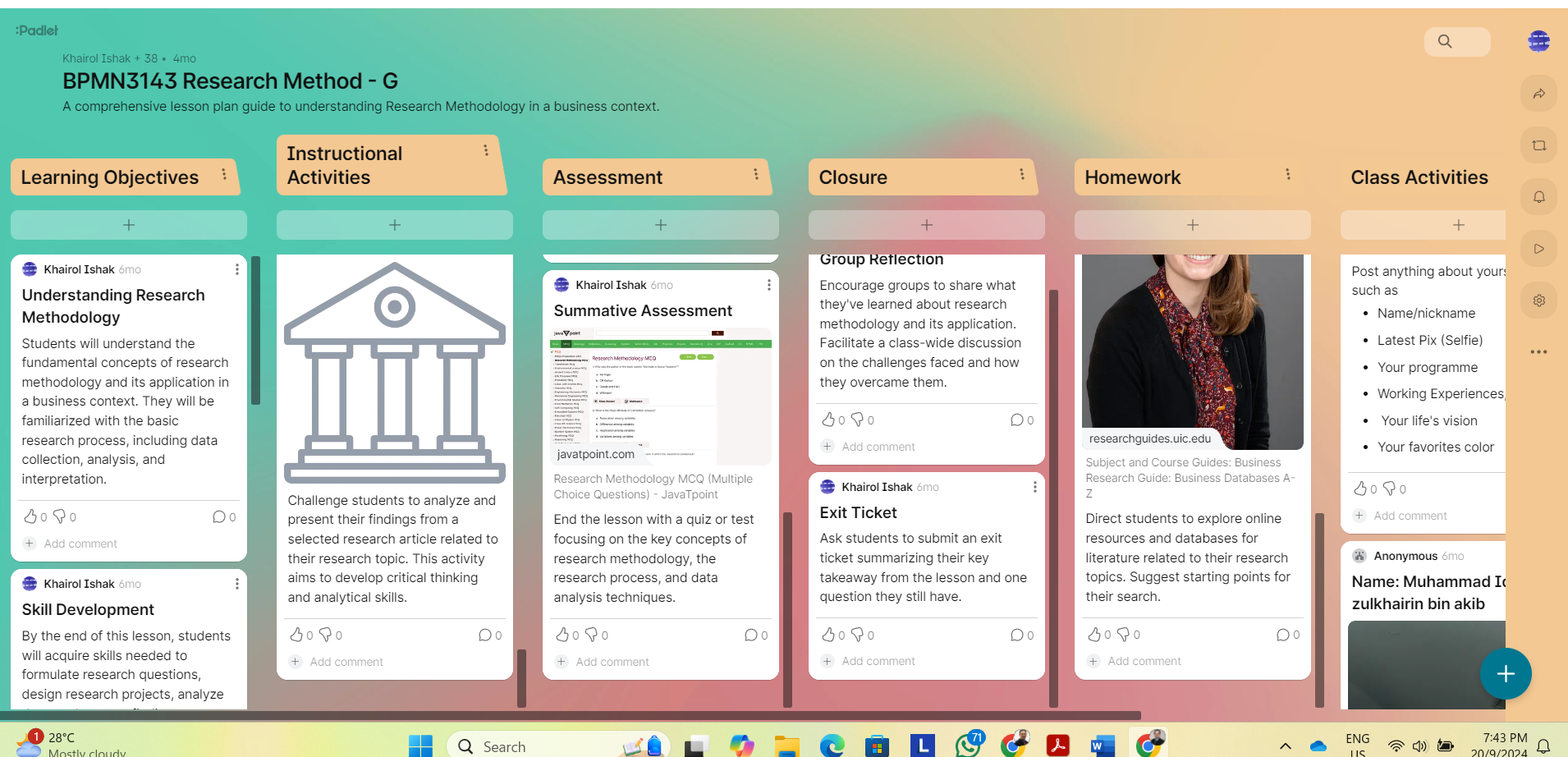
Digital innovation played a significant role. I used e-learning platforms and multimedia resources to diversify instructional methods. Short instructional videos, diagram-based explanations, and online consultations provided flexible learning opportunities for students with different learning preferences. These innovations increased accessibility and supported continuous learning beyond the classroom.
The impact on teaching and learning was significant. Students demonstrated clearer understanding of key concepts, greater confidence in writing their research proposals, and improved ability to justify methodological choices. Creative tools and structured templates reduced confusion and helped students stay focused on the research flow. Overall, the use of creativity and innovation made the learning environment more engaging, interactive, and effective in nurturing competent young researchers.
3. Please reflect on your strategy in teaching/supervision as well as evaluation based on students' testimonial.
In teaching Research Methodology, I placed strong emphasis on creativity and innovation to make complex concepts more accessible and engaging. One of my key innovations was producing my own instructional videos and uploading them to my YouTube channel (DrKhairol). These videos allowed students to revisit challenging topics such as variables, sampling, and research design at their own pace. By incorporating visual diagrams, real examples, and step-by-step explanations, the videos significantly enhanced understanding and supported diverse learning styles. Students frequently shared that these videos helped them revise effectively and reduced their anxiety about research components.
To further strengthen active learning, I integrated Wayground (formerly Quizizz) into my teaching for formative assessment. This platform enabled me to evaluate students’ level of knowledge in a more interactive and enjoyable format. Real-time quizzes, gamified scoring, and instant feedback kept students engaged while helping me identify areas needing reinforcement. The data from Wayground also guided my teaching adjustments, ensuring that classroom time was focused on students’ actual learning gaps.
These innovations created a more dynamic and student-centred learning environment. The combination of self-produced videos and interactive assessments increased motivation, encouraged independent learning, and improved overall comprehension. Students were more confident in discussing their research proposals and demonstrated clearer mastery of fundamental research concepts. Overall, the creative use of digital tools had a positive and measurable impact on both teaching effectiveness and student learning outcomes.
CLO Mapping
| CLO1 | Discuss various issues, concepts, approaches and methods which are available for conducting research.(A2,C2) | |
| CLO2 | Apply SPSS software to conduct appropriate statistical test for data analysis, interpretation, and reporting analysis output.(C3) | |
| CLO3 | Develop the basic research skills in conducting quantitative research.(C6) |
GROUP G
GROUP H

TEACHING/SUPERVISION EVALUATION AND TESTIMONIAL
First of all I would like to say thank you to Dr Khairol Anuar because the information and discussion while the lecture whether on OL or PHYSICAL is very very useful and I easy to catch up on what we learn in class. Such a really kindhearted Dr. And always help students when we don’t understand about some point, Thank you so much Dr, hope I can really do the best on final exam, pray for me Dr. Thank you so much Dr
Dr is friendly and always provides clear explanations for each topic discussed and is willing to help students solve problems.
Good class environment, Dr has a good attitude and willing to teach student patiently.
Thank you Dr sebab jadi tenaga pengajar yang baik dan penyabar. Berusaha mengajar pelajar sehingga faham setiap satu chapter. Sentiasa bantu pelajar siapakn report and so on. Semoga Allah merahmati dan permudahkan urusan Dr dunia dan akhirat.
Lecturer explains the lessons in detail and in a professional way. He guides us step by step in our assignments.